It is said in the dictionary that the English word “guest” comes from Middle English: from Old Norse gestr, of Germanic origin; related to Dutch gast and German Gast, from an Indo-European root shared by Latin hostis ‘enemy’ (originally ‘stranger’).
Is it surprising that it shared the same root with “enemy” and “stranger”?
We call human “the host”, and in this case, this host’s guest, the virus, indeed is an enemy that, sometimes, claims the life of the guest.
The Chinese character, 客 ke4, original means the person who travels to a strange place, to a foreign country, the person who lives away from home.
And the lower part of the character tells the travelling man finally stops:
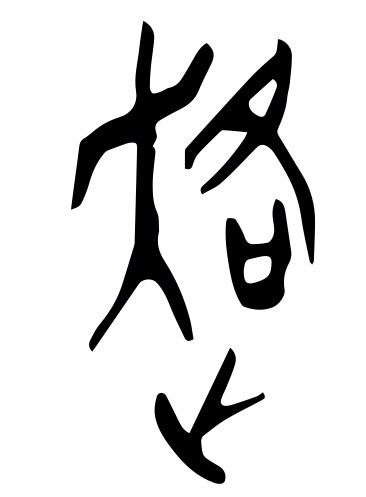
Later it evolves into this sign and it becomes less easy to tell the origin:

It eventually becomes the symbol we still use today which forms the lower part of the character 客 ke5, guest:
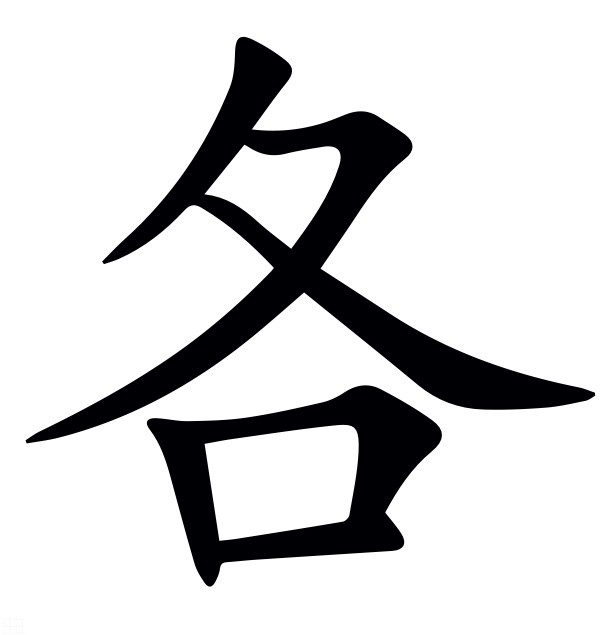
The other part, the upper part, of 客 ke4, guest, is simple enough: it’s a roof. This travelling man stops and comes to your roof to stay:
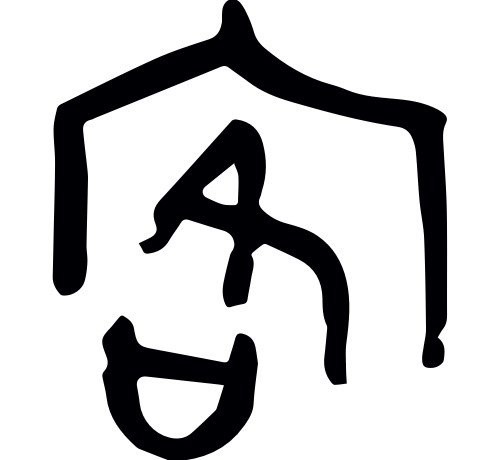
Hundreds of years later, the Chinese decided there was a less difficult way to describe the guest:
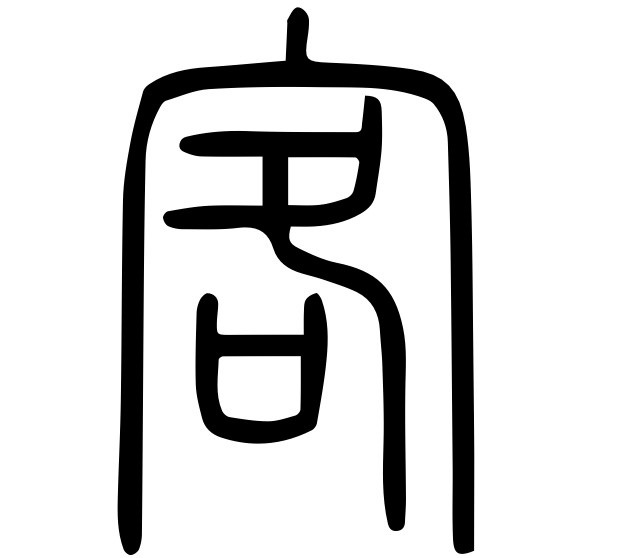
Again with time, it changes and evolves into this one we use today:
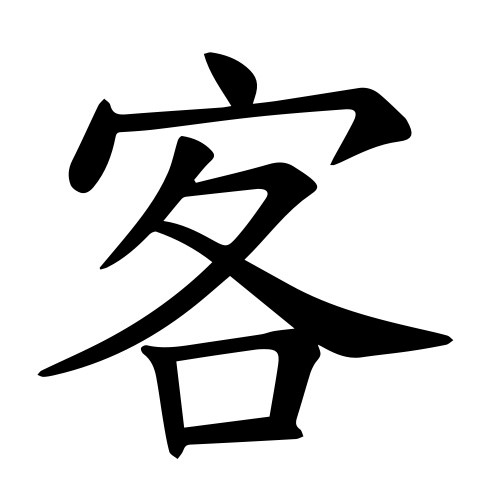
So a guest could be an unsettling thing, a stranger, a possible enemy, or most likely it’s just some tired traveller who asks for a roof.
Aren’t we all have the experience of being this guest, this tired traveller? Timid under the strange roof, holds the bowl of rice wine he is offered and drinks and nods and smiles with all politeness.
And is it any wonder the Chinese way of replying “thank you” is “no guest air” 不客气 bu4ke4qi4: don’t be a guest?
 Learn Chinese with Me
You must be logged in to post a comment.