As I walk along, I shade my eyes from the glaring sun with a hand, and see a girl who comes towards me, mirroring my gesture: she too feels the need to protect her eyes from the dazzling white light.
And as I walk on, I carefully pick out my path as to stay continually in the shade. The hot sun–its fierce heat has no mercy–shines its strong light on all things under the sky.
A dog walker stands next to a tree, carefully keeping himself in its shade, a baby in a stroller crys pitifully as the mother pushes it around.
“It’s the heat. It’s the heat. It’s too hot.” The dog walker suggests to the mother who on hearing this lifts up the thin cloth that covers up the stroller.
The three benches in a row are all in the shade of two enormous trees, one is taken by a reader who, despise the heat, wears a mask and a face screen, another by a woman who is very anxiously looking at her phone. The old woman on the third one is about to leave. But on seeing me coming, she stops in her packing up of a shabby bag and looks at me:
“It’s nice to sit out in the park. Here nobody bothers you. Here they leave you alone. You can sit here all day long in the shade and nobody would bother you. In my room it’s too hot, it’s too hot. I sweat. I sweat all the time. The walls are old and they hold the heat. I could not sleep at night, I open the window, it’s no use, I still sweat. I have no privacy. I can hear everything my landlady does. I have no privacy. Here in the park I can have my privacy, here in the shade I can cool myself.”
A few steps further on the lawn, I see some others bear the heat much better than the unfortunate old woman, they in fact rather welcome the heat: these sunbathers have spread them out all over the grass, seemingly taking up all the heat of the sun with enjoyment.
Summer, 夏xià, in Chinese interestingly both mean the season summer and the Chinese people (华夏huáxià), or the group of people who at that time called themselves 夏人xiàrén and lived along the midstream and downstream of the mother river (黄河huánghé) where Chinese people started.
The first dynasty in China (2070 BC–1600 BC) also called themselves 夏xià, and looking at the dictionary, it tells me that 夏 xià means “Chinese people”. The character itself is a picture of a person:
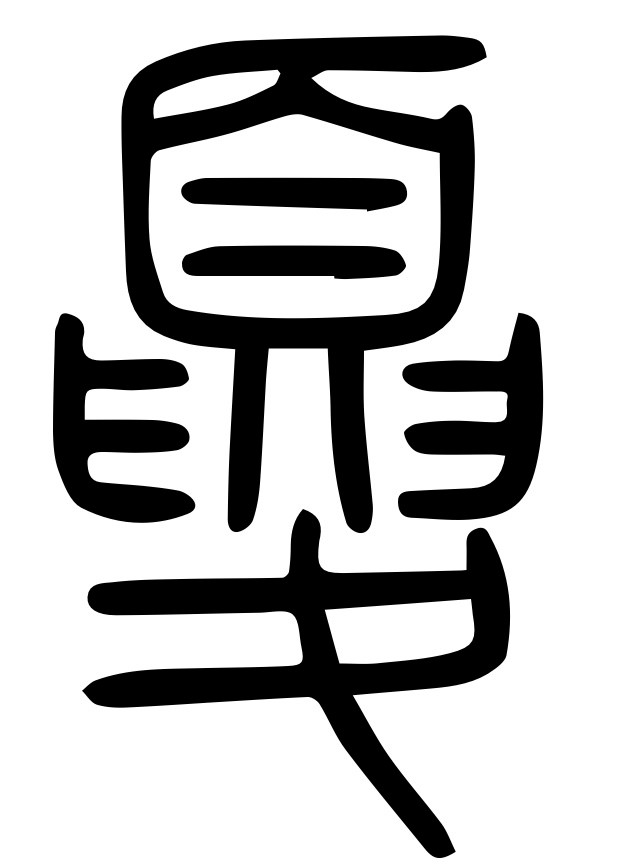
But the meaning of the season summer of this same character is as ancient as the race itself. Some scholars find explanations from the very first symbol of 夏:

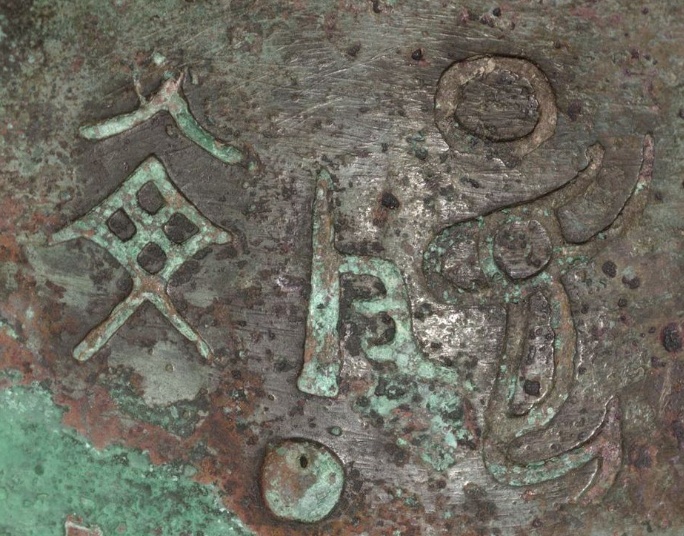
And is it at all surprising that the brave race five thousand years ago along the Yellow River called themselves “the sun people”, “the summer people” when the sun gives light and gives life to everything(the sunbathers in the park know it)?
So summer 夏 is about the sun, and you might take it to your advantage, staying in the shade at times and at other times getting “your moment in the sun”.
 Learn Chinese with Me
You must be logged in to post a comment.