There is a sharper tone in the morning air, a hush.
As I walk out in the dawn in shortsleeves, I fold my arms for warmth and cross the dark street with few cars.
It’s just as quiet in the park, even the trees are solemn, casting its black shadows of branches and leaves on the ground. A dark, long, stooped figure–a raccoon–is rummaging some garbage at a distance. He turns his head and sees me approaching, he scrambles across the field in front of me and up he climbs onto a tree, when he reaches a safe height, he turns again and looks back at me as if curious to know my next move. I silently run past him, thinking it’s the absolute honesty, the guilelessness in an animal that wins a human’s heart.
As I reach the path among the bushes and great trees, the chirping, or the chorus, for there must be so many of them, the chirpping of crickets hits my ear with their pleasant loudness.
“How strange that nature does not knock, and yet does not intrude!” This line comes into my mind.
Autumn is thus defined: the third season of the year when crops and fruits are gathered and leaves fall, and the word itself might come from ‘cold’ and ‘dry’. Autumn is so much about harvest that ‘harvest’ was the name for autumn for a long time.
“秋”, the Chinese word for autumn, is about the chirping of crickets and the ripening of the grains. The crickets, it appears, begin to chirp a lot louder at the beginning of autumn, 虫以鸣秋, so the cricket’s song announces the coming of autumn.
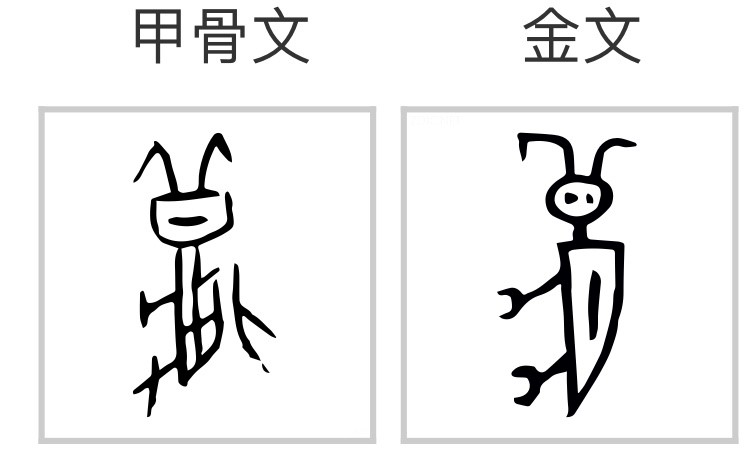
Ripening of the grains is another thing about autumn, and it shows in the characters, the sense of crickets singing slowly transferred to the harvest of the crops.
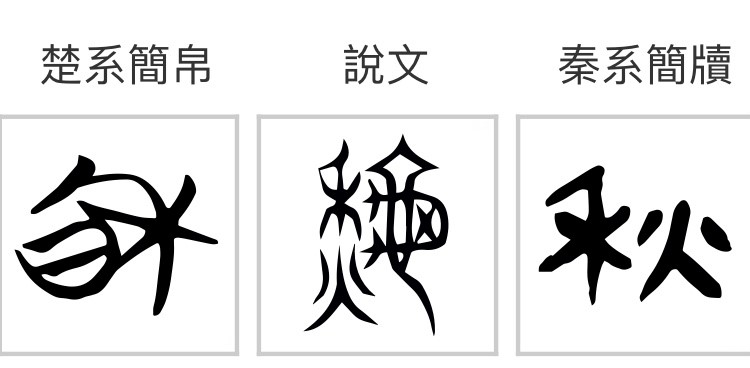
“Everything is becoming old.” This explaining also appears in the definition of 秋, and in western and eastern culture alike, it is associated with melancholia. 悲秋, the Chinese poets call it.
Then a season characterized by harvesting could not be all sad. The Chinese celebrates it with Moon Festival, a day, it’s a rest-deserved day after the harvest, for feasting, moon admiring, mooncake eating, and family gathering.
New York, forever optimistic and barefacedly capitalistic, of course, refuses to be sad. She, (Is New York a ‘she’? Walking down the street certainly makes one think so, seeing one gorgeous woman after another.) takes every opportunity to celebrate. There is Fall for Dance, indeed, there are so many amazing (one talks like a New Yorker after a while) things if you only would take the trouble to look, it’s not only dance you could Fall into……
 Learn Chinese with Me
You must be logged in to post a comment.