—how were Chinese Characters created? Part One
So the courteous Chinese man, after taking his bow, went on looking into himself. He looks at his hand, his face, his eye, his nose, his mouth, his ear, his body, his heart and even his eyebrow: he is determined to know himself: a human.
And to the best of his ability, he draws out the part of himself he sees and examines.
First the hand. How do you draw a hand? Everyone, in an idle minute, must have put their hand on a piece of paper and traced it. Indeed the very first pieces of arts we could trace are little hands imprinted on a rock:

The Chinese man looked at his hand and thought it’s a good idea to trace it too, only he did it in a slightly different manner:

With time it evolves to:
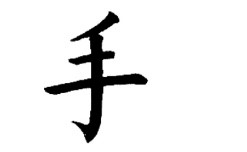
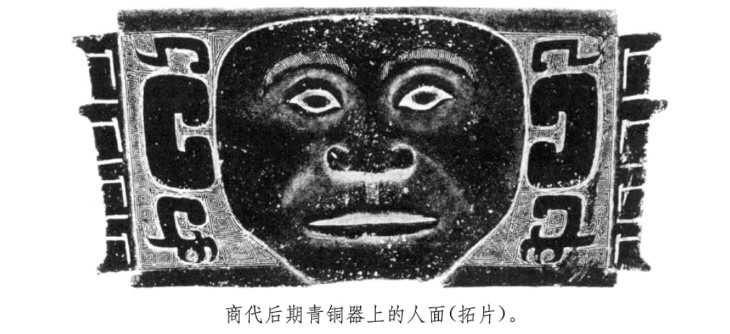
Next he went to a clear river and looked at his own face. He came up with images like these:
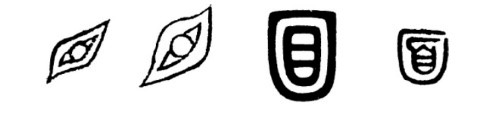
With time, it evolves into this:
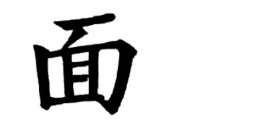
Does not this woman’s face intimate the character?
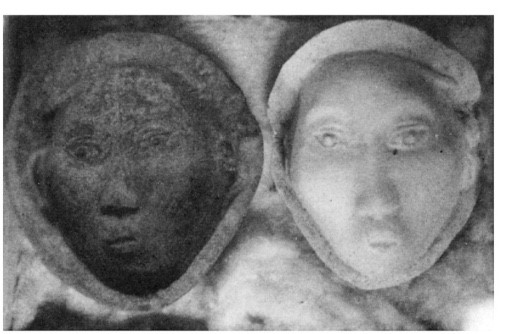
Or the face of this honest-looking, square-faced, big-eared man?
The Chinese man, after giving himself a good long look, went on looking up and down, right and left, till he draws out a picture for the sky, the sun, the moon, the tree, the fish, the ox…..indeed, he looks, he sees and he draws.

So the Chinese man sticks to himself; so the Chinese man sticks to nature. There is no god in his thinking and there is no god in his drawing. There is, though, an infinite intimacy with the man himself, an infinite intimacy with all the things that are around him: nature, animals, all things living, all things he could see.

So we say the Chinese man has nature in his very blood and soul–there are thousands of poems and paintings to prove it. So we say there is a solid practicality in the craziest Chinese man: that man is part of nature; that man needs food; that food for every mouth means peace.
 Learn Chinese with Me
You must be logged in to post a comment.